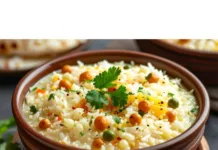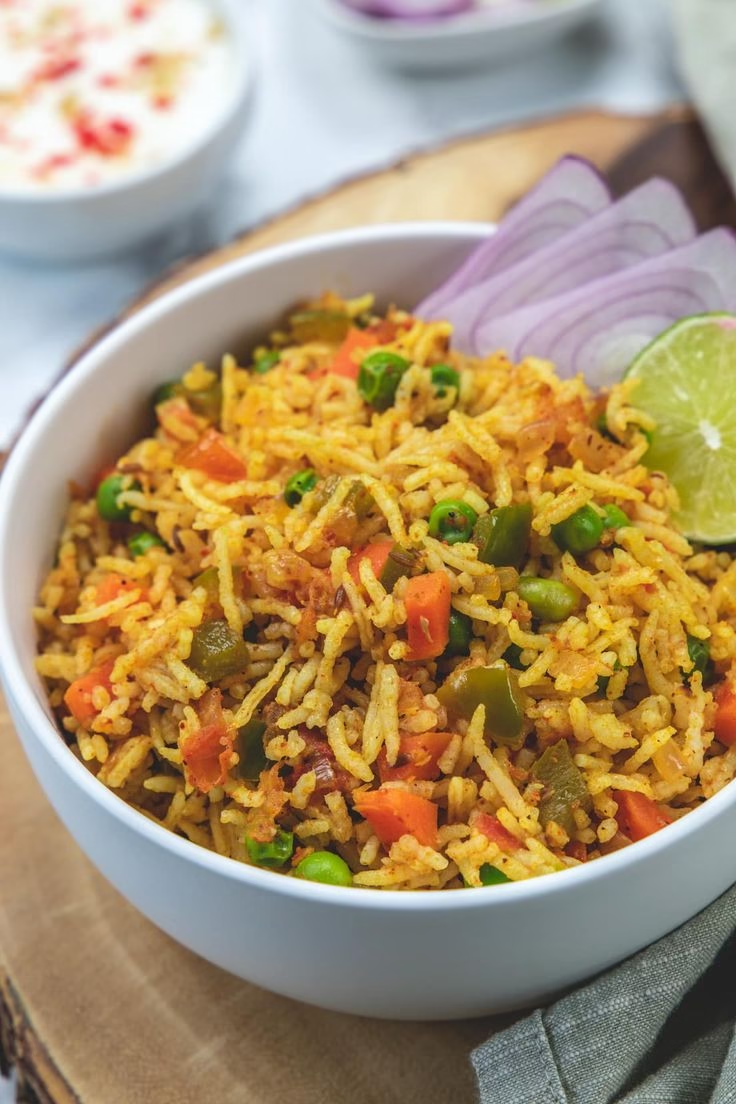
Have you ever walked past a Mumbai street stall at 7 in the evening, heard that loud sizzle on the big iron tawa, smelled that buttery, spicy aroma in the air, and thought I wish I could make this at home?
That is Tawa Vegetable Pulao and I am going to show you exactly how to make it in your own kitchen, without any special equipment, without spending hours in front of the stove, and without compromising on that authentic street-food taste.
This is not your regular rice pulao. This is not the calm, gentle, saffron-scented basmati pulao your grandmother makes on Sundays. Tawa Vegetable Pulao is loud, bold, and a little spicy.
At SnacksChef, we believe that the best food is the food that makes you forget everything else while you are eating it. And Tawa Vegetable Pulao does exactly that.Let’s get into it.
What Is Tawa Vegetable Pulao? (And Why Is It Different from Normal Pulao?)
Let’s understand what makes Tawa Vegetable Pulao special because this matters for getting the taste right.
Regular Pulao is rice cooked with the vegetables, spices, and water all together. The flavours seep into the rice during the cooking process itself.
Tawa Vegetable Pulao works completely differently. You cook the rice separately first, then stir-fry it on a flat tawa (griddle) with butter, vegetables, and most importantly pav bhaji masala. This is the one spice blend that makes Tawa Vegetable Pulao taste like it came straight from a Mumbai stall.
The tawa cooking method does two crucial things:
- It creates slight toasting on the rice grains, giving each spoonful a tiny bit of that smoky, nutty flavour that you just cannot get by boiling rice alone.
- It coats every single grain in spiced butter, so the flavour is not just sitting on top it is inside every bite.
This dish is also one of the most popular “use leftover rice” recipes in Indian home kitchens. Got yesterday’s plain rice sitting in the fridge? You are 15 minutes away from a meal that tastes completely new.
Ingredients for Tawa Vegetable Pulao (Serves 3–4)
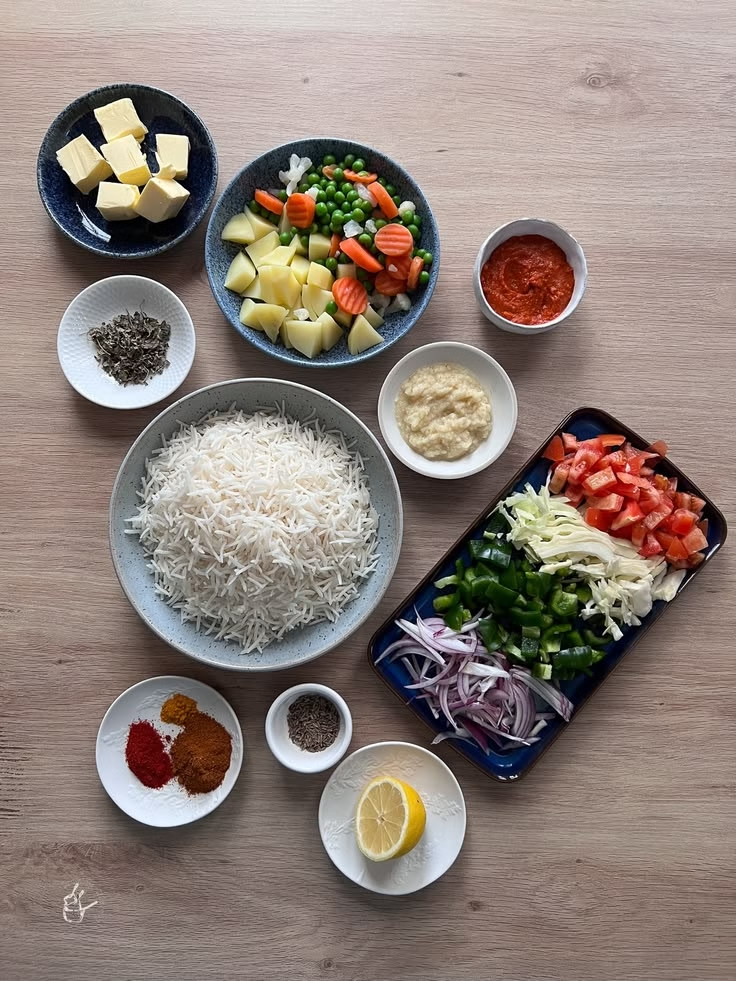
For the Rice:
- 1.5 cups Basmati rice (soaked for 20 minutes)
- 3 cups water
- 1 teaspoon salt
- 1 bay leaf
- 1 teaspoon oil
For the Tawa Stir-Fry:
- 2 tablespoons butter (the real secret don’t skip it)
- 1 tablespoon oil
- 1 teaspoon cumin seeds (jeera)
- 1 medium onion, finely chopped
- 1 medium tomato, finely chopped
- 1/2 cup green capsicum, chopped into small cubes
- 1/2 cup fresh or frozen green peas (matar)
- 1 medium carrot, finely diced
- 1/4 cup sweet corn kernels (optional but recommended)
- 1 teaspoon ginger-garlic paste
- 2 green chillies, finely chopped (adjust to your heat preference)
- 2 heaped teaspoons pav bhaji masala (This is the soul of this recipe)
- 1/2 teaspoon red chilli powder
- 1/4 teaspoon turmeric powder
- Salt to taste
- 2 tablespoons fresh coriander leaves, chopped
- 1 tablespoon lemon juice
- 1 tablespoon butter (for finishing)
Optional Toppings:
- Sliced onion rings
- Lemon wedge
- A dollop of butter on top while serving
Instructions For Tawa Vegetable Pulao Recipe
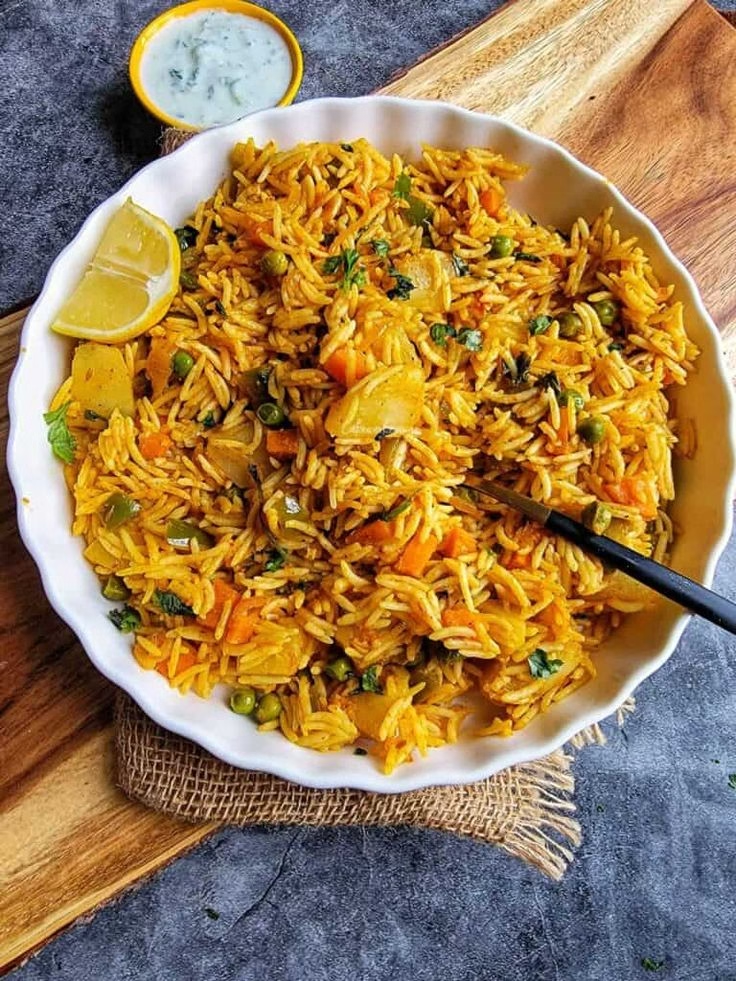
Step 1: Cook the Rice (10 Minutes)
The foundation of a great Tawa Pulao is perfectly cooked, non-sticky rice. Every grain must be separate. Mushy rice will make your tawa Vegetable pulao clump together, and that kills the texture.
Here is how to cook it right:
- Wash and soak your basmati rice for at least 20 minutes.
- In a pot, bring 3 cups of water to a boil.
- Add salt, a bay leaf, and a teaspoon of oil.
- Add the soaked (and drained) rice.
- Cook on medium-high flame for exactly 8–10 minutes, until the rice is 90% cooked — not fully done.
- Drain the water immediately using a colander.
- Spread the rice on a flat plate or tray and let it cool for 5 minutes.
Chef’s Tip: The “90% cooked” rule is important. The rice will finish cooking on the hot tawa. If you fully cook the rice first, it will become mushy when you stir-fry it.
Using Leftover Rice? Even better Cold leftover rice holds its shape much better during tawa stir-frying. Just break up any clumps with your hands before adding it to the tawa.
Step 2: Prep Your Vegetables (5 Minutes)
While your rice is cooling, chop all your vegetables. The trick for authentic Tawa Vegetable Pulao is to keep all vegetables cut very small similar in size so they cook evenly and quickly on the hot tawa.
- Carrot: finely diced (about 5mm cubes)
- Capsicum: slightly larger cubes (about 1cm)
- Onion: finely chopped
- Tomato: finely chopped, remove excess seeds
- Green chillies: fine mince or thin rounds
Step 3: Heat the Tawa and Build the Base (5 Minutes)
This is the most important step. The tawa must be HOT before anything goes in. A hot tawa is what creates that slight char and smokiness.
- Heat your tawa (or a wide, heavy-bottomed pan) on high flame for 2 full minutes.
- Add butter and oil together. The oil prevents the butter from burning.
- Once the butter melts and starts to sizzle, add cumin seeds.
- Let them splutter for 30 seconds.
- Add chopped green chillies and ginger-garlic paste. Stir for 1 minute.
- Add onions and cook on high flame, stirring constantly, for 2 minutes until they turn slightly golden at the edges.
Why high flame? Because tawa cooking is fast cooking. Medium flame here will make the onions soggy. High flame gives you that signature street-food sizzle.
Step 4: Add Vegetables and Spices (4 Minutes)
- Add carrots first (they take longest to cook). Stir-fry for 1 minute.
- Add peas and corn. Stir-fry for 1 minute.
- Add capsicum. Stir-fry for 1 minute.
- Add chopped tomatoes. Mix everything together.
- Now add: pav bhaji masala, red chilli powder, turmeric, and salt.
- Mix everything vigorously on high flame for 2 minutes until the tomatoes soften and the masala coats all the vegetables evenly.
At this stage, your kitchen should smell absolutely incredible. That pav bhaji masala aroma is what makes this recipe impossible to resist.
Step 5: Add the Rice and Toss (3 Minutes)
- Reduce flame to medium-high.
- Add your cooled, cooked rice to the tawa.
- Using a flat spatula, gently fold and toss the rice with the vegetable masala mixture.
- Do NOT stir aggressively fold from the bottom to the top to keep the rice grains intact.
- Let the rice sit undisturbed for 30 seconds at a time between folds. This is what creates those light, slightly toasted grains.
- Continue folding and tossing for about 3 minutes until every grain of rice is evenly coated with the masala.
Chef’s Tip: If you notice the rice sticking to the tawa, add a tiny splash of water (1–2 tablespoons) and immediately fold it in. This creates a little steam that unsticks the rice without making it soggy.
Step 6: Finish and Serve
- Add 1 tablespoon of fresh butter on top and fold it in. This gives the pulao its glossy, rich look and that signature buttery street-food finish.
- Squeeze half a lemon over everything and fold once more.
- Turn off the flame.
- Garnish generously with fresh coriander leaves.
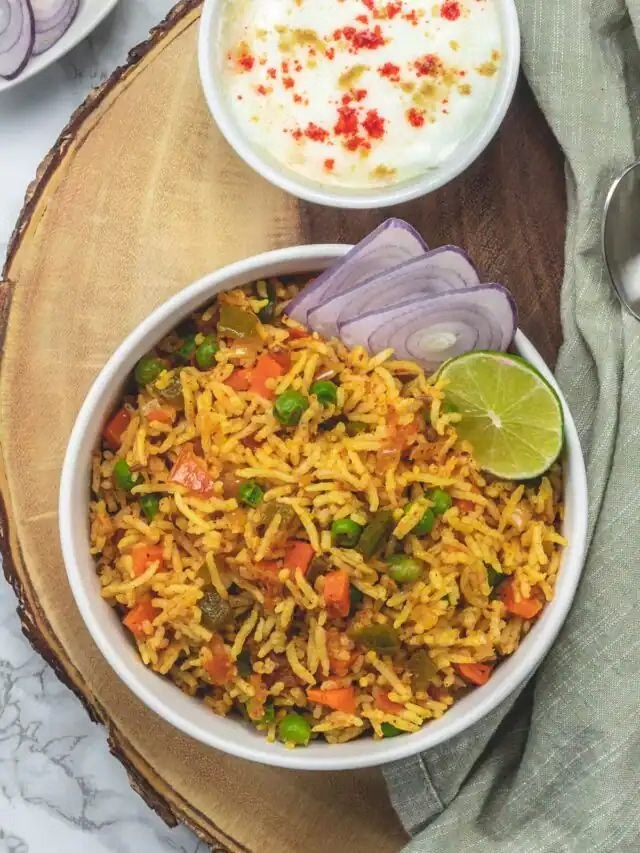
Serve immediately, hot off the tawa, with sliced onions, a lemon wedge, and a small bowl of plain raita or just plain yoghurt on the side.
How to Serve Tawa Vegetable Pulao
Tawa Vegetable Pulao is a complete meal on its own, but here is how to turn it into a full spread:
Classic Street Style: Serve hot with raw onion rings, green chutney, and a squeeze of lemon. This is how Mumbai’s street vendors serve it.
Home Dinner Style: Pair it with a bowl of kadhi (yoghurt and besan curry) or any simple dal. The mildness of dal balances the spice of the pulao beautifully.
Raita Pairing: A simple boondi raita or cucumber raita works wonderfully alongside this spicy rice dish.
Kids’ Version: Reduce the green chillies and red chilli powder by half. Kids who love pav bhaji tend to absolutely love this pulao too.
Lunchbox Friendly: Pack it in a lunchbox with a small container of curd. It stays fresh and flavourful for up to 4–5 hours at room temperature.
Common Mistakes to Avoid (And How to Fix Them)
1. Using freshly cooked, hot rice This is the most common mistake beginners make. Hot rice has too much moisture it will clump together on the tawa. Always use cooled rice or day-old leftover rice.
2. Cooking on low flame Low flame makes this recipe boring. The high heat is what creates the characteristic sizzle, slight char, and smoky depth. Don’t be afraid of a hot tawa.
3. Skipping pav bhaji masala Some people substitute regular garam masala. The result is fine, but it won’t taste like Tawa Vegetable Pulao. Pav bhaji masala has a very specific blend dried mango powder, pomegranate seeds, coriander that gives this dish its identity. It is widely available in Indian grocery stores.
4. Overcrowding the tawa If you are making this for more than 4 people, make it in two batches. Overcrowding brings the temperature down and leads to steaming instead of stir-frying.
5. Over-stirring the rice Gentle folding, not vigorous stirring. Think of it like folding a cake batter patient, careful, bottom to top.
Variations You Can Try For Tawa Vegetable Pulao
Paneer Tawa Pulao: Add 100g of small paneer cubes with the vegetables in Step 4. Let them get a light golden sear before adding the spices. This makes the dish significantly more filling and adds a lovely contrast in texture.
Mushroom Tawa Pulao: Sliced button mushrooms work beautifully in this recipe. Add them after the onions in Step 3 and cook until they release their moisture and turn golden.
Schezwan Tawa Pulao (Indo-Chinese Fusion): Replace pav bhaji masala with 2 tablespoons of schezwan sauce. This gives you a completely different flavour profile fiery, garlicky, and deeply umami. Very popular with teenagers.
No-Butter Version: Replace butter with coconut oil for a slightly different aroma, or use olive oil for a lighter version. The taste changes but remains delicious.
Brown Rice Tawa Vegetable Pulao: Use cooked brown rice instead of basmati for a healthier, high-fibre version. The nuttiness of brown rice actually complements the pav bhaji masala very well.
Tips from Chef Queen’s Kitchen
After testing this recipe more times than I can count (my family has become very enthusiastic taste-testers), here are my personal tips that make a real difference:
Tip 1 Season your tawa. If you have a cast iron tawa, use it. It retains heat better and gives the rice a deeper, smoky flavour. If you only have a non-stick pan, that works too just make sure it is large and wide.
Tip 2 Fresh coriander is not optional. I know that sounds dramatic, but the freshness of coriander against the warm, spiced rice is a crucial contrast. Don’t skip it.
Tip 3 Add lemon at the end, not during cooking. Lemon added during high-heat cooking turns bitter. Always add it off the flame.
Tip 4 The butter-oil combination. This is a professional cooking trick. Pure butter burns at high temperatures. Adding oil raises the smoke point, so you can cook on high flame without the butter turning bitter.
Tip 5 Taste before you serve. Always taste and adjust salt and spice levels in the final minute. Every pav bhaji masala brand has a slightly different saltiness level.
FAQ (Frequently Asked Questions)
- Q: Can I make Tawa Vegetable Pulao without a tawa?
- A. Absolutely. A wide non-stick pan or a large kadhai works just as well. The key is a big surface area so the rice can spread out and cook evenly rather than steaming in a pile.
- Q: Can I use brown rice or quinoa instead of basmati?
- A. Yes. Brown rice and quinoa both work. Just make sure they are cooked and fully cooled before you stir-fry them.
- Q: Is Tawa Vegetable Pulao gluten-free?
- A. Yes, this recipe is naturally gluten-free. Just check the label on your pav bhaji masala to ensure it is certified gluten-free if you have a severe intolerance.
- Q: Can I make this ahead of time for a party?
- A. Cook the rice ahead and keep it refrigerated. Prepare the vegetable masala base ahead. But do the final tawa stir-fry step just 10–15 minutes before serving this dish tastes best fresh off the tawa.
- Q: How long does leftover Tawa Vegetable Pulao last in the fridge?
- A. It stays good in an airtight container in the refrigerator for up to 2 days. Reheat in a pan with a small splash of water and a tiny bit of butter.
- Q: Is Tawa Vegetable Pulao safe for toddlers?
- A. Reduce the spice significantly. Skip green chillies and red chilli powder entirely, use half a teaspoon of pav bhaji masala, and add more vegetables. The base is nutritious and toddler-friendly with these adjustments.
- Q: Where can I find pav bhaji masala?
- A. Any Indian grocery store carries it. Popular brands include Everest, MDH, and Badshah. It is also available on Amazon India and most large supermarkets.
Final Words For Tawa Vegetable Pulao
Tawa Vegetable Pulao is one of those recipes that sounds impressive, tastes extraordinary, and takes less effort than most people expect. Once you make it once, you will wonder why you haven’t been making it every week.
The key things to remember:
- Use cooled rice (or leftover rice from the day before)
- Cook on high flame do not be shy with the heat
- Pav bhaji masala is non-negotiable
- Butter at the start and at the finish both matter
- Fresh lemon and coriander to bring it all together at the end
That is all it takes. Twenty minutes, one pan, and a recipe that tastes like it came from your favourite Mumbai stall.
Try Tawa Vegetable Pulao this week and let us know in the comments how it turned out We love hearing from you.