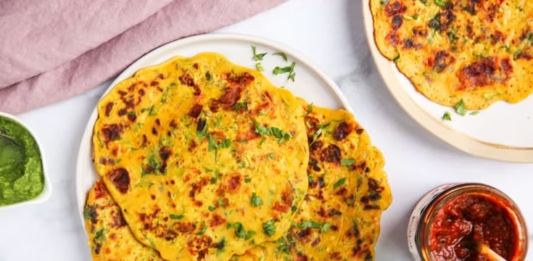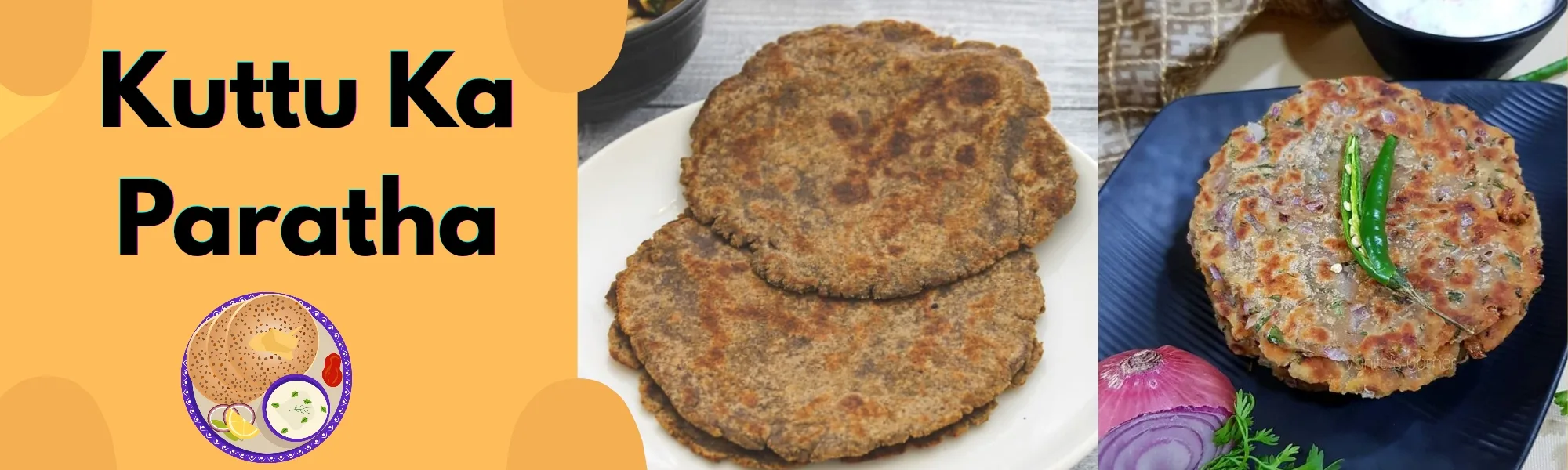
Kuttu ka paratha (buckwheat flour flatbread) breaks and cracks while rolling because buckwheat flour contains no gluten the stretchy protein network that lets wheat dough hold together under pressure. Without gluten, the dough needs an external binder. Mashed boiled potato is the most effective one, combined with warm (not cold) water to activate the flour’s natural starch and hold moisture. This kuttu ka paratha recipe uses a 2:1 ratio of kuttu flour to mashed potato, rolled between parchment paper, and gets a crack-free paratha on the first try.
Why Kuttu Dough Behaves So Differently From Regular Atta
If you’ve made regular wheat roti your whole life and then tried kuttu ka paratha for the first time, the dough probably felt completely unfamiliar crumbly, prone to tearing, and nothing like the smooth, elastic wheat dough you’re used to.
Here’s the actual reason: wheat flour contains gluten, a protein that forms long, stretchy strands when kneaded with water. That stretchy network is what lets you roll wheat dough thin without it falling apart it’s physically holding itself together. Buckwheat (kuttu) is naturally gluten-free, so that structural network simply doesn’t exist in the dough. Without it, the flour particles have nothing to bind them together except starch and whatever moisture or added binder you introduce.
This is also why kuttu dough can’t be kneaded and rested the way wheat dough is extended kneading does nothing for gluten-free flour (there’s no gluten to develop), and over-resting the dough actually works against you, since potato-bound dough loses moisture as it sits, becoming more crumbly, not more pliable.
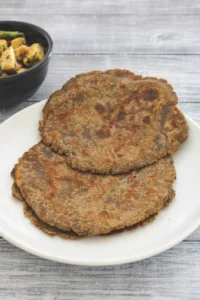
The Three Binding Methods What Actually Works and Why
1. Mashed Potato (Most Reliable)
Boiled, well-mashed potato is the traditional and most effective binder because its natural starches and moisture physically coat and hold the kuttu flour particles together, acting as a substitute for what gluten would normally do. The potato needs to be mashed completely smooth any lumps become weak points where the dough tears while rolling.
2. Hot Water (Supporting Technique)
Using hot (not boiling, not cold) water to knead gluten-free flours helps because heat partially gelatinizes the flour’s natural starch, making it tackier and more cohesive than cold water would. This is why most tested recipes specifically call out warm water it’s not just a texture preference, it changes how the starch behaves.
3. Arrowroot Powder or Lauki/Bottle Gourd (No-Potato Alternative)
For those who skip potato during specific vrat traditions, arrowroot powder provides a similar starch-based binding effect in a more concentrated form, while grated bottle gourd (lauki) works by adding natural moisture and mild binding without needing a separate starch source. Both are valid substitutes pick based on your family’s specific fasting rules.
Ingredients For Kuttu Ka Paratha (Serves 3, makes 6-7 parathas)
- Kuttu ka atta (buckwheat flour) – 1.5 Cups
- Potato, boiled and well-mashed – 2 Medium
- Green chili, finely chopped – 1-2
- Coriander leaves, chopped – 2 Tbsp
- Ajwain (carom seeds) -1/2 tsp
- Rock salt (sendha namak) – To Taste
- Warm water – 2-4 tbsp, as needed
- Ghee or Oil – For Cooking
Step-by-Step Method For Kuttu Ka Paratha
Step 1: Mash the Potato Completely Smooth
Boil potatoes until fully soft, then mash with a fork or masher until there are no lumps at all. Any unmashed chunks will create weak spots that tear during rolling.
Step 2: Combine Dry Ingredients with Mashed Potato
In a mixing bowl, combine the kuttu flour, mashed potato, green chili, coriander leaves, ajwain, and rock salt. Mix with your hands, rubbing the potato into the flour until evenly distributed.
Step 3: Add Warm Water Gradually
Add warm water one tablespoon at a time, kneading briefly after each addition. Stop as soon as the dough comes together it should hold its shape without being sticky or overly wet. Most batches need only 2-4 tablespoons, since the potato itself provides significant moisture.
Step 4: Rest Briefly, Then Use Immediately
Let the dough rest for just 5 minutes to let the moisture distribute evenly no longer. Unlike wheat dough, kuttu dough gets harder to roll the longer it sits, since the potato’s moisture slowly gets absorbed by the flour.
Step 5: Roll Between Parchment Paper
Divide the dough into equal balls. Place one ball between two sheets of parchment paper or inside a lightly oiled ziplock bag, then roll gently with a rolling pin into a 5-6 inch circle. This technique solves the sticking and tearing problem that trips up most first-time cooks, since the dough never directly contacts the rolling surface.
Step 6: Transfer Carefully to a Hot Tawa
Peel back the top parchment sheet, then carefully flip the paratha onto your palm or directly onto a hot tawa, using the bottom parchment sheet to guide it. Move slowly this is the step where most breakage happens if rushed.
Step 7: Cook with Ghee Until Golden
Cook on medium heat, applying ghee on both sides, until golden-brown spots appear and the paratha is cooked through about 2 minutes per side.
Step 8: Serve Hot
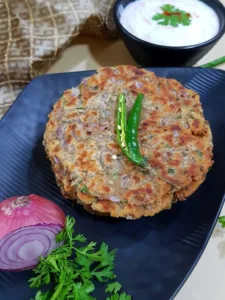
Kuttu paratha firms up as it cools, so serve immediately with curd or a vrat-friendly chutney.
Troubleshooting Decision Tree
Dough cracks while rolling, even with the parchment paper method The dough is too dry. Add warm water half a tablespoon at a time until the dough holds together without crumbling at the edges.
Dough is sticky and won’t hold its shape Too much water or under-mashed potato releasing excess moisture. Add a little extra kuttu flour, a tablespoon at a time, to firm it up.
Paratha breaks apart while cooking on the tawa, even though rolling went fine The dough was too soft going in, or it rested too long before cooking, causing the potato’s moisture to redistribute unevenly. Cook each paratha soon after rolling rather than rolling out the whole batch in advance.
Paratha tastes bland Buckwheat flour has a mild, slightly earthy flavor on its own don’t be shy with the ajwain and rock salt, and make sure the potato is well-seasoned too, since it makes up a large portion of the dough.
Variations For Kuttu Ka Paratha
- No-Potato Version: Replace mashed potato with 2 tablespoons arrowroot powder plus enough warm water to bind, for those whose fasting tradition excludes potato.
- Lauki (Bottle Gourd) Version: Use ½ cup grated, squeezed bottle gourd instead of potato for a lighter, lower-starch alternative with natural binding.
- Extra-Soft Version: Knead in 1 teaspoon of ghee directly into the dough before resting this adds a slight richness and helps the paratha stay softer for longer after cooking.
FAQ (Frequently Asked Questions)
- Q.1 Why does my kuttu ka paratha always break while rolling?
- A.1 This happens because buckwheat flour has no gluten to hold the dough together structurally. The fix is ensuring the potato is mashed completely smooth, using warm water instead of cold, and rolling between parchment paper so the delicate dough never directly touches the rolling surface.
- Q.2 Can I make kuttu ka paratha without potato?
- A.2 Yes. Arrowroot powder or grated bottle gourd (lauki) both work as substitute binders, though the texture will be slightly different from the traditional potato-bound version.
- Q.3 Is kuttu ka paratha gluten-free?
- A.3 Yes, buckwheat (kuttu) flour itself is naturally gluten-free, making this a suitable option for fasting diets and for those avoiding gluten generally, though always check for cross-contamination if you have celiac disease, since buckwheat is sometimes processed in facilities that also handle wheat.
- Q.4 How long can I store kuttu ka paratha dough?
- A.4 This kuttu ka paratha dough is best used immediately after resting for 5 minutes. Unlike wheat dough, it doesn’t store well, since the potato’s moisture continues to redistribute and the dough becomes harder to roll the longer it sits.
- Q.5 Is kuttu ka paratha the same as kuttu ki puri?
- A.5 No. Kuttu ki puri uses a similar dough but is deep-fried rather than roasted on a tawa, and is typically rolled slightly thicker since thin puris are more prone to breaking during frying.
Final Words For Kuttu Ka Paratha
Kuttu ka paratha has a reputation for being tricky, but once you understand that it’s simply missing what gluten normally provides, the whole process stops feeling like guesswork. Mash that potato completely smooth, keep the water warm, and let the parchment paper do the hard work of rolling and you’ll have soft, crack-free parathas ready well before your next fast begins. Wishing you a peaceful and well-fed Navratri.
Thankyou for reading the recipe of Kuttu Ka Paratha ❤️ and stay tuned for more amazing & healthy recipes..